HIVE KEEPING - A RETURN TO TRADITION
This unique workshop project is dedicated to recreating and popularizing one of the oldest professions connected with Polish culture and nature. The workshops are being conducted in collaboration with the PGE Foundation and the Beekeeping Brotherhood – an organization actively involved in the revival of beekeeping and the protection of wild bees, maintaining numerous beehives in the Augustów Forest .
The project aims to familiarize participants with the history, importance, and practical aspects of beekeeping , as well as to build environmental awareness related to the role of pollinators in the natural environment. The workshops are aimed at both beekeepers and anyone interested in learning the secrets of this dying craft, even those without prior experience. The workshops are open to youth aged 16 and over and adults.
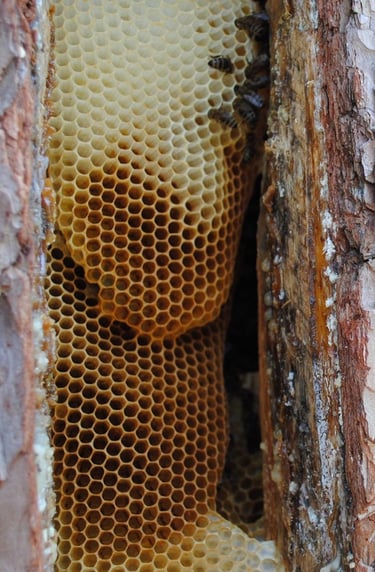
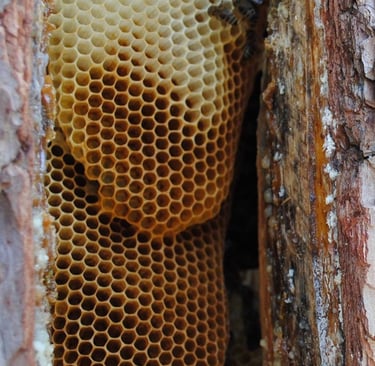
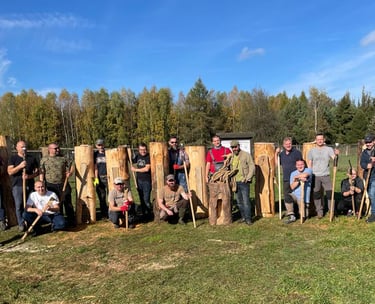
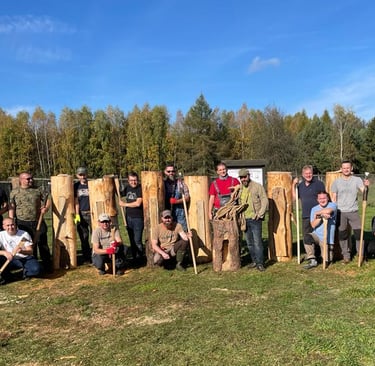
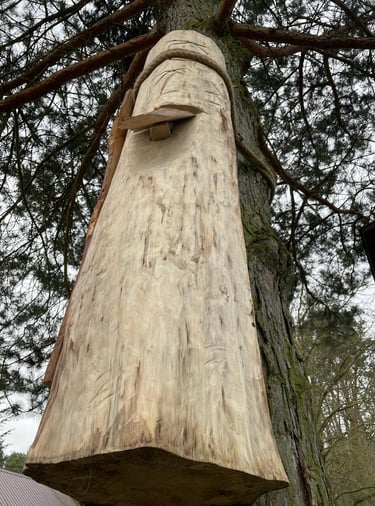
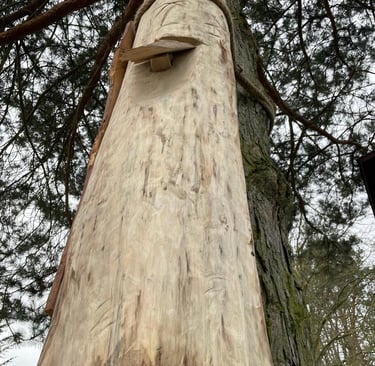
The workshop program combines theory with intensive practical work. Participants will learn the history and traditions of beekeeping, the specifics of beekeeping in the past and present, and the traditional tools used in this craft. A key element of the workshop is the independent construction of a beehive log under the guidance of experienced instructors, followed by familiarization with its preparation and assembly methods using traditional techniques.
Workshop participants can take their beehives and use them as intended. Alternatively, they can leave them under the care of the Z Mojego Łowisko Foundation. In this case, they will be hung within the forest apiary under construction, and the participant will have the opportunity to further develop their skills during subsequent inspections and beekeeping tasks, such as honey harvesting, treatment, maintenance, and winter preparation.
The workshops take place in a natural setting , in a location suitable for educational and field activities. Shared meals and a bonfire are integral parts of the meetings , fostering participant integration and the exchange of experiences.
The project can be implemented for organised groups , and its form and scope are adapted to the needs of participants and local conditions.

Contact
Fundacja Z Mojego Łowiska
KRS: 0000924275
NIP: 8943173830
REGON: 520090271
Traditional transfer:
Santander Bank Polska SA
Account number: 43 1090 2457 0000 0001 4892 7592
PAGES
CONTACT DETAILS
Location: 54-620 Wroclaw, Jurija Gagarina Street 92/2
Mail: kontakt@zmojegolowiska.info
Phone: 792 800 701
© 2026 Fundacja Z Mojego Łowiska since 2021.